


North Korean Remote Work Fraud Scheme: What Happened and How to Protect Your Business
- David Bigger

- Jul 1, 2025
- 3 min read
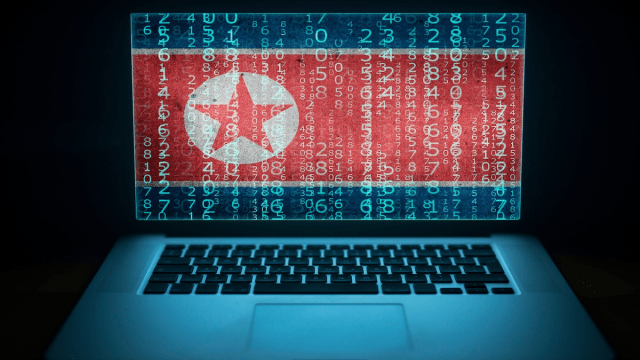
The U.S. Department of Justice (DOJ) recently announced a major nationwide crackdown targeting a sophisticated scheme involving North Korean operatives posing as remote IT workers inside U.S. businesses. This operation, which spanned 16 states and involved raids on nearly 30 locations, exposed how foreign actors exploited remote work trends to funnel millions of dollars into North Korea’s weapons development programs.
Coordinated Raids Across the U.S.
Between June 10 and June 17, 2025, federal agents executed a series of coordinated enforcement actions targeting so-called “laptop farms” — locations where equipment and access were managed on behalf of foreign operatives posing as legitimate IT workers. These raids led to the seizure of:
Nearly 200 laptops and smartphones
Dozens of servers
$1.5 million in connected funds
21 websites used to facilitate the fraudulent activities
The operation marks one of the largest law enforcement efforts to date aimed at disrupting North Korea’s use of cyber-enabled fraud to finance its ballistic missile and weapons programs.
The Scheme: How It Worked
According to the DOJ, North Korean IT workers used stolen or fraudulent identities to secure remote positions with American companies. They often relied on U.S.-based facilitators who provided addresses, bank accounts, and access to equipment — effectively creating a cover that allowed these operatives to masquerade as legitimate job candidates.
Many of the individuals targeted worked in software development, cybersecurity, and technical support roles for hundreds of companies, including:
Private sector businesses
Government contractors
Cryptocurrency firms
Technology and defense industries
The operatives routed their earnings — estimated in the millions of dollars — back to North Korea, circumventing international sanctions. Investigators also found evidence that some individuals gained access to sensitive information, intellectual property, and internal systems belonging to their employers.
Arrests and Charges
Among those charged are U.S. citizens and foreign nationals accused of aiding North Korea’s scheme. Notably, Zhenxing “Danny” Wang, a New Jersey resident, was arrested for his alleged role in managing infrastructure and facilitating communication between operatives and U.S. companies.
Federal prosecutors also filed civil forfeiture actions targeting over $7.7 million in illicit proceeds tied to the operation.
In a related case, four North Korean nationals were charged with conspiracy to commit wire fraud and identity theft, highlighting the growing complexity and international reach of these operations.
Not the First Time
This isn’t the first time North Korea has been accused of using fraudulent remote work schemes to support its military ambitions. In fact, back in 2024, the U.S. Department of Justice disrupted a similar laptop farm operation, exposing how North Korean IT workers used stolen identities and deceptive tactics to gain remote access to U.S. companies. That investigation led to arrests, asset seizures, and further confirmed that proceeds from these schemes were funneled directly into North Korea’s weapons development programs.
National Security Implications
Authorities stress that this scheme was not simply a financial fraud — it directly supported North Korea’s military ambitions. The illicit proceeds helped fund the development of ballistic missiles, nuclear weapons, and other defense programs, posing a clear threat to global security.
Matthew Olsen, Assistant Attorney General for National Security, stated: “The disruption of these schemes sends a strong message: we will not tolerate foreign adversaries exploiting U.S. businesses and institutions to fund weapons programs or undermine our national security.”
What Businesses Should Do Now
This case underscores the vulnerabilities that remote work environments can introduce, especially when it comes to identity verification and insider threats. Organizations are urged to:
✅ Implement thorough identity and background checks for remote employees, especially for roles involving sensitive data or system access.
✅ Use geolocation and device verification tools to ensure remote workers are operating from expected locations.
✅ Review remote access policies, endpoint protections, and employee monitoring procedures.
✅ Educate HR, hiring managers, and security teams on emerging social engineering tactics and fraudulent job applicant trends.
✅ Stay informed about cyber-enabled fraud schemes linked to sanctioned nations like North Korea.
Final Thoughts
The rise of remote work has brought undeniable benefits to businesses, but it also introduces new attack surfaces for nation-state actors. As this recent DOJ operation shows, adversaries are willing to exploit these opportunities for profit and strategic advantage.
By staying vigilant and enforcing strong security protocols, businesses can help protect themselves — and the broader national security landscape — from these evolving threats.
Sources:


Comments